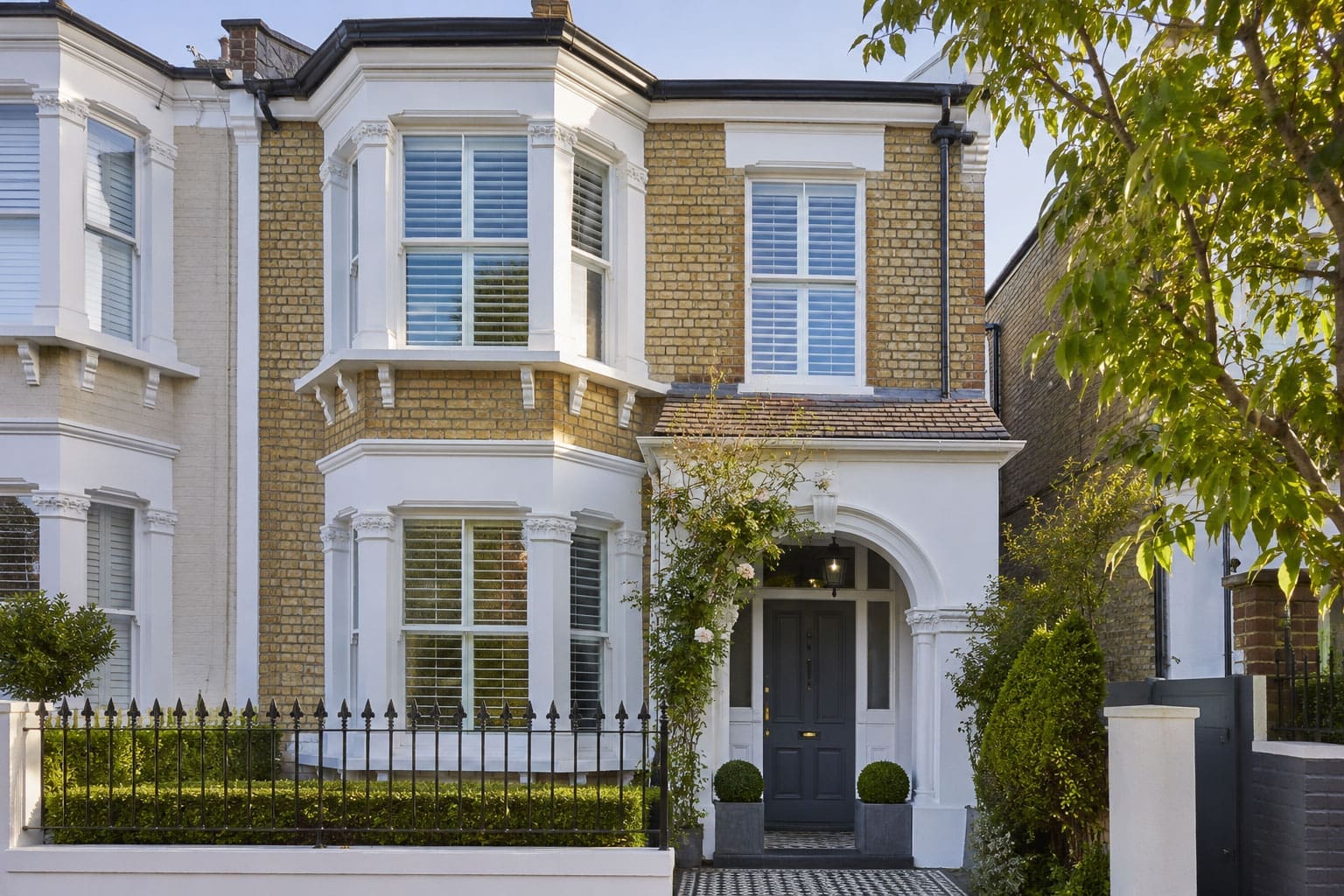
The Victorians Understood Heat: What Can the Trade Learn?
As the UK experiences hotter summers and more frequent periods of extreme heat, the conversation around home comfort is beginning to change. For many homeowners, the challenge is no longer simply about staying warm in winter, but increasingly about keeping rooms comfortable during summer, particularly in properties with large glazed areas, south-facing aspects or limited airflow.
This is not just a consumer concern. It is becoming an important conversation for the shading industry too.
In a recent email update from the British Blind and Shutter Association (BBSA), the association highlighted an interesting article by Dr Ben Roberts, Senior Lecturer in the School of Architecture, Building and Civil Engineering at Loughborough University. In his article, Heatwaves: Five reasons why Victorian houses are cooler than modern buildings, published in The Conversation, Dr Roberts explores why many Victorian homes can remain cooler during heatwaves than some much newer buildings.
At first glance, that sounds counterintuitive. Modern buildings benefit from better insulation, improved glazing and significantly higher levels of thermal efficiency than homes built more than a century ago, so common sense might suggest they should outperform older housing stock in every respect.
Yet thermal efficiency and thermal comfort are not always the same thing.
Modern homes are exceptionally good at retaining heat, which is exactly what they are designed to do during colder months. Better insulation and tighter building envelopes help reduce heat loss, lower energy consumption and improve winter comfort. The difficulty is that buildings designed to keep heat in can also struggle to release excess heat when outdoor temperatures rise.During prolonged sunny periods, that creates a familiar problem.
Large windows, glazed extensions, bi-fold doors and open-plan living spaces may deliver bright, airy interiors and strong visual appeal, but they also introduce significant solar gain. Once direct sunlight passes through glazing, the heat enters with it, and in well-insulated homes with limited ventilation, that warmth can quickly build to uncomfortable levels.
Many installers will recognise the kinds of comments customers increasingly make during surveys and consultations. A south-facing lounge becomes unbearable by mid-afternoon. A bedroom remains unpleasantly warm long after sunset. A conservatory or glazed extension becomes difficult to use during the hottest weeks of the year.
These are no longer occasional complaints raised during exceptional weather events. They are becoming part of a broader shift in how homeowners think about comfort.
What Victorian design got right
According to Dr Roberts’ research, Victorian homes benefited from several architectural features that helped regulate indoor temperatures naturally. Thick masonry walls provided thermal mass, slowing the transfer of heat into living spaces, while higher ceilings created more vertical air volume, allowing rising warm air to sit above occupied areas. Large sash windows also improved natural ventilation, encouraging airflow throughout the property. For our industry, however, one of the most important observations lies elsewhere.
As highlighted by the BBSA, two of the key reasons Victorian homes often perform better in hot weather relate directly to shading. External shading and solar control played a significant role in limiting heat gain, helping prevent excessive solar energy from entering the building in the first place.That principle remains just as relevant today.
Once solar heat has entered through the glass, removing it becomes significantly more difficult and often requires mechanical cooling such as fans or air conditioning. Preventing or reducing solar gain at the window is usually far more effective than trying to cool a room after it has already overheated.
In simple terms, the Victorians understood something we are increasingly being reminded of in modern building design. The most effective way to control heat indoors is often to stop too much of it getting in to begin with.
A growing opportunity for the trade
This is where the conversation becomes particularly relevant for installers, retailers and shading specialists. Blinds and shutters have traditionally been associated with privacy, style and light control, all of which remain important buying motivations. Increasingly, however, shading is becoming part of a much bigger discussion around thermal comfort, solar performance and energy efficiency. That creates a significant opportunity for the trade.
Customers may initially enquire about colours, finishes, fabrics or louvre sizes, but those preferences often sit alongside a deeper practical concern about how a room actually feels to live in. When a customer explains that the afternoon sun makes a room uncomfortable or that a particular space becomes too hot to use properly in summer, they are not simply describing a design preference. They are highlighting a real performance issue. That changes the nature of the conversation.
The installer is no longer just helping a customer choose a product that looks good at the window. They are increasingly acting as an advisor, helping diagnose a problem and recommend the most suitable solution based on how the space performs throughout the day.This is where expertise adds real value.
Understanding room orientation, sunlight patterns, glazing size and product suitability allows installers to recommend solutions based not only on aesthetics, but also on performance. The discussion shifts away from price alone and towards comfort, practicality and long-term lifestyle improvement. That is a much more valuable conversation to have.
Why shading matters more than ever
The BBSA continues to support important research into overheating and solar shading through its collaboration with Loughborough University. That growing body of evidence reinforces what many trade professionals already know through experience.
The right shading solution can make a meaningful difference to how a home performs.
As the UK climate continues to evolve, passive cooling solutions will become increasingly important in helping homes remain comfortable without creating greater reliance on energy-intensive cooling systems. Blinds, shutters, awnings and external shading all have an important role to play in that future. For the trade, this presents both a challenge and an opportunity.
The challenge lies in helping customers think differently about what window shading can do. The opportunity lies in positioning blinds and shutters not simply as decorative products, but as practical solutions that improve comfort, reduce solar gain and help homes function better during warmer weather. In many ways, Victorian homes offer a useful reminder that good design principles often stand the test of time.
Sometimes the smartest solutions are not necessarily the newest or the most complex. Sometimes they are the ones that work with the environment rather than against it. For our industry, that feels like an important lesson.
The Victorians may not have used terms such as solar gain, passive cooling or thermal comfort, but they understood the relationship between sunlight, glazing and indoor comfort remarkably well. More than a century later, that understanding feels more relevant than ever.